 Pin it
 The first time I made a graduation sheet cake, I was surrounded by the chaos of last-minute party prep and stacks of old class photos. The kitchen filled with the sweet scent of vanilla as I spread buttercream across a blank canvas, imagining my cousin's smile when she saw her diploma rendered in fondant. It was a sunny afternoon, and streams of laughter drifted in from the backyard, making me pause to grin while piping each rose. Decorating felt less like a task and more like a celebration in itself—each swirl a small tribute to achievement. The cake became the centerpiece, both dessert and congratulatory gesture, and I never forgot the moment when the edible diploma nearly rolled right off the edge.
I remember helping my aunt frost this cake for my brother's high school graduation. We laughed about how our hands looked tie-dyed after mixing food coloring, and ended up eating leftover buttercream straight from the bowl as we piped roses. The kitchen was loud with congratulatory phone calls and music, and every decorating mistake turned into a shared joke. That day I learned perfection isn't nearly as memorable as teamwork and a playful spirit. The edible diploma became a badge of honor, and the cake disappeared faster than we expected.
Ingredients
- All-purpose flour: Gives structure and tenderness—don't forget to weigh it for the best crumb.
- Granulated sugar: Provides sweetness and helps the cake stay moist; beating it with butter is key for fluffiness.
- Unsalted butter: Makes both cake and frosting rich—soften well for easy mixing.
- Whole milk: Adds moisture and a touch of creaminess; use at room temperature to avoid curdling.
- Large eggs: Bind the batter and add decadence; room temp eggs allow the batter to emulsify.
- Vanilla extract: Brings out a nostalgic, inviting aroma and rounds out the flavors.
- Baking powder: Ensures the cake rises to a fluffy, light result.
- Salt: Balances sweetness and boosts flavor complexity.
- Powdered sugar: Makes a dreamy buttercream with a silky finish; sift for lump-free frosting.
- Food coloring: Gel types offer bold colors without thinning the frosting; add gradually.
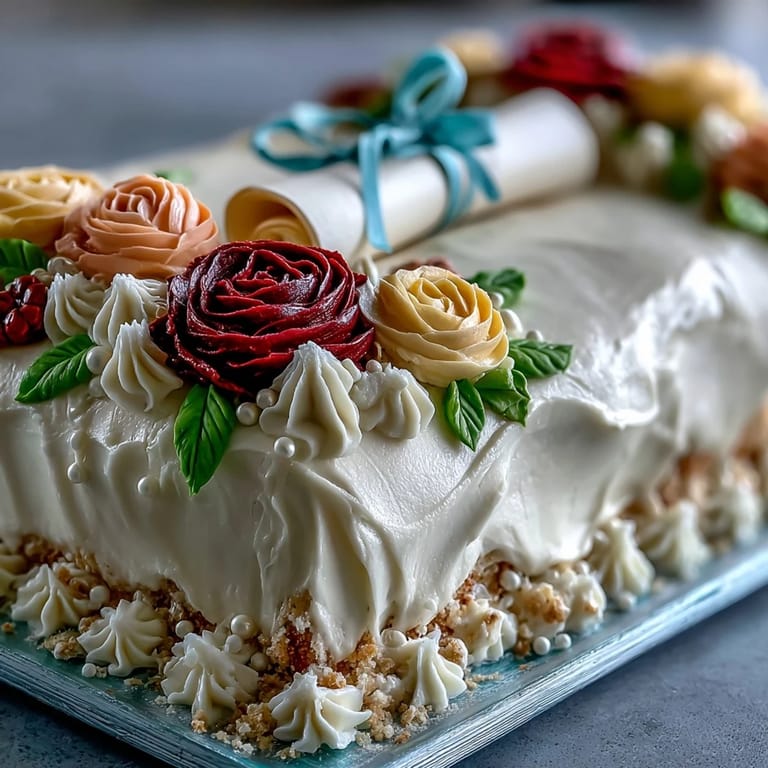
- Edible pearls and fondant: Turn your cake into a true showpiece—these little accents make people smile.
Tired of Takeout? 🥡
Get 10 meals you can make faster than delivery arrives. Seriously.
One email. No spam. Unsubscribe anytime.
Instructions
- Prep the Pan:
- Grease and parchment your sheet pan so the cake releases easily and stays pristine after baking.
- Cream Butter and Sugar:
- Beat until pale and fluffy—you'll notice the scent changing from buttery to bakery-sweet.
- Add the Eggs and Vanilla:
- Drop in each egg one at a time, watching the batter turn glossy and thick, then stir in the vanilla.
- Mix Dry Ingredients:
- Combine flour, baking powder, and salt; the mixture looks like snow and ensures an even rise.
- Combine Batter:
- Add the dry mix to the wet in three steps, alternating with milk—listen for the batter to go from splattery to soft and smooth.
- Bake the Cake:
- Spread the batter in your pan, level it, and bake until a toothpick emerges clean, filling your kitchen with warmth.
- Cool and Release:
- Let the cake rest in the pan to prevent it from sticking, then transfer to a rack—it will feel tender when pressed lightly.
- Make the Buttercream:
- Beat butter until creamy, then sift and add powdered sugar, vanilla, and milk—watch the frosting go from dense to dreamy.
- Color the Buttercream:
- Divide and tint portions for flowers and leaves, using gel colors for vibrant hues without thinning.
- Frost the Cake:
- Cover with a smooth layer of white buttercream, using an offset spatula until every corner gleams.
- Pipe Roses and Leaves:
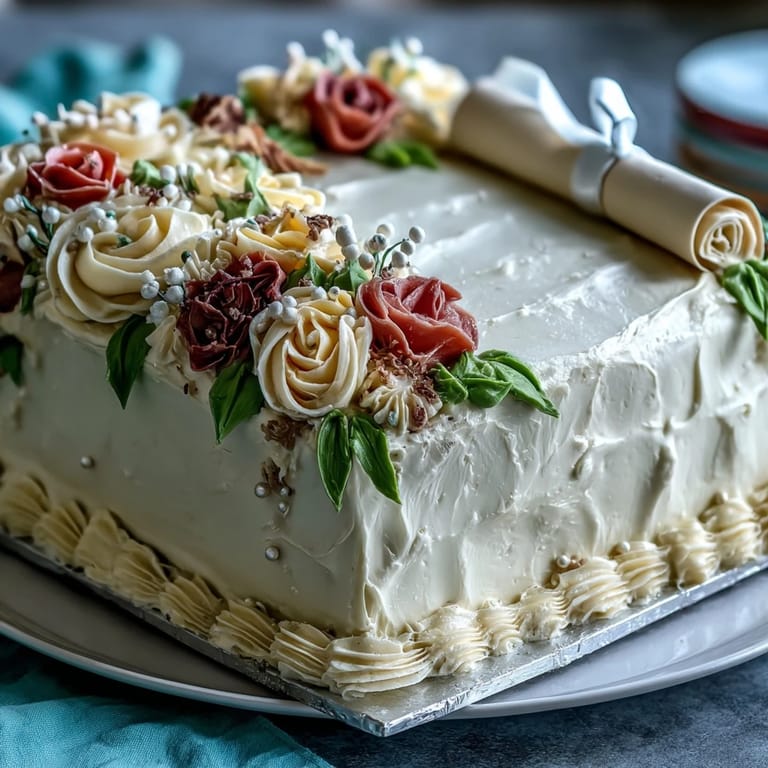
- Use your piping bags to create roses in your chosen colors (don't stress if the first few are wonky) and pipe leaves for dimension.
- Create and Place the Diploma:
- Mold fondant or white chocolate into a scroll, tie with a colored ribbon, and nestle it among the flowers.
- Add the Final Accents:
- Scatter edible pearls for sparkle—step back and admire your handiwork before slicing.
 Pin it
 There was a moment after we placed the final fondant diploma when my niece ran in, squealing to see her name piped in gold. Her friends crowded around the table and took pictures, and suddenly the cake felt like a tangible part of their milestone. I realized this recipe isn't just about flavor—it captures a celebration.
How to Master Buttercream Roses
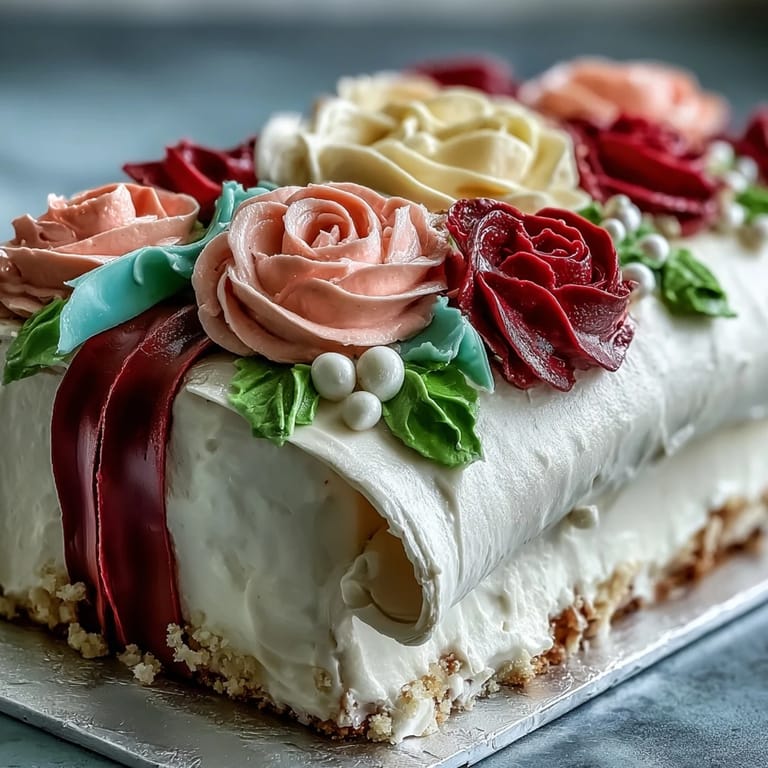
Piping roses always intimidated me until I tried practicing on wax paper first. The gentle turning motion makes petals come alive, and it helps to keep your bag firmly in hand so the buttercream doesn't ooze out the side. Starting with slightly chilled buttercream creates a crisp edge. If a rose collapses, simply lift it off and start over; even imperfect ones can be tucked under leaves for a natural look.
Choosing Colors for Celebration
Decorating with school colors adds a personal flair and instantly connects the cake to the graduate. I once used a mix of navy, gold, and white, and guests loved seeing their alma mater reflected in the design. Gel colors blend beautifully without changing the texture, while layering shades creates depth in each rose. Don't hesitate to play with pastels if the occasion calls for it—cheerful hues make everyone smile.
Troubleshooting Sheet Cake Mishaps
I learned to handle sticky edges by running a thin knife along the pan before turning the cake out—no more torn corners. If your buttercream splits, a few drops of milk and a short blast in the mixer brings it back to silky. Cooling racks speed up the process and keep the cake from sweating underneath.
- Set out all tools and colors before you begin so you can work quickly and cleanly.
- If the cake cracks, use extra buttercream to patch and smooth—no one will know.
- Keep leftover edible pearls in a jar for the next celebration.
 Pin it
 This sheet cake is more than dessert—it's part of the graduation joy and the memories that linger long after the last slice. Enjoy the process, and celebrate every swirl and sprinkle.
Recipe FAQs
- → How do I achieve vibrant buttercream roses?
Use gel food coloring for rich hues. Divide buttercream, tint in desired shades, and pipe roses using a dedicated rose tip.
- → Can I make the cake ahead of time?
Yes, bake the sheet cake a day in advance. Store unfrosted cake tightly wrapped and decorate before serving for freshness.
- → How do I create edible diploma decorations?
Shape fondant or white chocolate into a scroll, tie with colored fondant ribbon, and place atop the cake for a graduation accent.
- → What cake pan size is best?
A 12x18-inch sheet cake pan is ideal for serving a large crowd while providing a flat surface for decoration.
- → Can I customize colors for school themes?
Absolutely. Tint buttercream in school colors and apply edible pearls or ribbons to match your graduate's achievements.
- → How do I ensure the cake stays moist?
Do not overmix the batter and avoid overbaking. Wrap cooled cake to prevent drying before frosting and serving.