 Pin it
 There's something magical about baking a cake that becomes the centerpiece of someone's biggest moment. My cousin called me three days before her graduation, voice trembling with excitement, asking if I could make her cake—not just any cake, but one she could describe as elegant and handmade. I'd never piped buttercream roses before, but standing in my kitchen at midnight, watching tutorials on my phone while flour dusted the counter, I realized this wasn't just about dessert. It was about showing up for someone's milestone with my own two hands.
When my cousin walked into the kitchen and saw those buttercream roses cascading across the white cake with her name written in gold, she actually teared up. I'd stayed up late practicing the petal technique on parchment paper, piping rose after rose until my hand ached and the moves became muscle memory. But watching her face light up—that's when I understood why people bake celebration cakes.
Ingredients
- All-purpose flour (3 cups): The foundation of your cake's structure, and it's worth sifting it together with the dry ingredients so no lumps sneak into your batter.
- Baking powder and baking soda (2½ tsp and ½ tsp): These work together to create that signature light, tender crumb—use fresh ones because old leavening agents won't give you the lift you need.
- Salt (½ tsp): A small amount that makes the vanilla flavor pop in unexpected ways.
- Unsalted butter (1 cup for cake, 1½ cups for frosting): Room temperature butter creams properly and incorporates air, so take it out of the fridge at least an hour before you start.
- Granulated sugar (2 cups): Creamed with butter until fluffy and pale, this ensures a tender crumb.
- Large eggs (4): Also room temperature, because cold eggs won't emulsify smoothly into your butter mixture.
- Vanilla extract (1 tbsp for cake, 2 tsp for frosting): Use real vanilla for depth; imitation works but tastes slightly tinny on something this delicate.
- Whole milk (1¼ cups for cake, ¼ cup for frosting): Kept at room temperature so it doesn't shock the batter when you fold it in.
- Powdered sugar (6 cups, sifted): Sift this even if it feels fussy, because lumps will show in your final frosting texture.
- Gel food coloring: Buy this at the baking aisle rather than liquid colors, which make frosting runny and pastel instead of vibrant.
Tired of Takeout? 🥡
Get 10 meals you can make faster than delivery arrives. Seriously.
One email. No spam. Unsubscribe anytime.
Instructions
- Prepare your pan and oven:
- Set your oven to 350°F and give it time to fully preheat while you grease a 12x18-inch sheet pan and line it with parchment paper. This prevents sticking and makes cooling easier.
- Combine your dry ingredients:
- Whisk flour, baking powder, baking soda, and salt together in a medium bowl, breaking up any lumps. This distributes the leavening evenly so your cake rises uniformly.
- Cream the butter and sugar:
- In a large bowl with an electric mixer, beat softened butter and sugar together for 3-4 minutes until the mixture is pale, fluffy, and noticeably lighter in color. You're aerating the mixture, which creates the tender crumb you want.
- Add eggs and vanilla:
- Add eggs one at a time, beating well after each addition so each egg fully incorporates before you add the next. Mix in vanilla extract last, beating just until combined.
- Alternate flour and milk:
- Beginning and ending with the flour mixture, alternate adding it with the milk to your creamed mixture, stirring gently between additions. Stop as soon as everything is just combined—overmixing develops gluten and toughens your cake.
- Bake the cake:
- Pour batter into your prepared pan and smooth the top with an offset spatula. Bake 30-35 minutes until a toothpick inserted in the center comes out clean or with just a few moist crumbs.
- Cool completely:
- Let the cake cool in the pan on a wire rack for at least 30 minutes before removing, then cool completely to room temperature. A warm cake crumbles when you frost it, so patience here matters.
- Make your buttercream:
- Beat softened butter until creamy, then gradually add sifted powdered sugar a cup at a time, alternating with milk and beating until fluffy. This takes about 5 minutes and should look light and whipped.
- Color your frosting:
- Divide buttercream into bowls and add gel food coloring a tiny bit at a time, stirring until you reach the shades you want. Gel color is forgiving and won't thin out your frosting like liquid coloring does.
- Crumb coat the cake:
- Spread a thin layer of white buttercream over the cooled cake as a base, which seals in crumbs and gives you a clean surface for piping. You can refrigerate at this point for 30 minutes to set it.
- Pipe your roses and leaves:
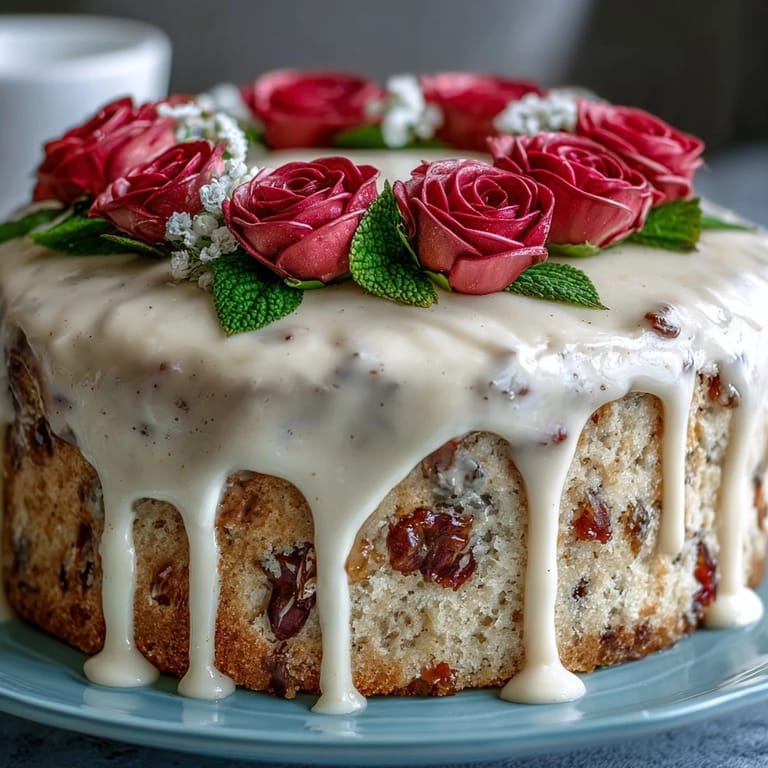
- Fit piping bags with a petal tip for roses and a leaf tip for leaves, fill with your colored frosting, and practice on parchment paper first if you're nervous. Pipe roses in clusters across the cake and add green leaves around them for dimension.
- Add your message:
- Use a small round piping tip with white or contrasting frosting to write your congratulations message or personalized words. Steady your hand and go slowly—mistakes are less noticeable than you think once the whole cake is decorated.
 Pin it
 I'll never forget my cousin's graduation party, when guests asked who made the cake and she pointed to me with this proud smile. People took photos of it before cutting into it, and someone said it was almost too pretty to eat—then everyone laughed and dug in anyway. That's when I realized baking for celebrations isn't about achieving perfection; it's about putting love into something tangible that people remember.
Why This Cake Works for Big Celebrations
Sheet cakes are the practical choice for feeding a crowd, and this one yields 24 servings from a single pan. But what makes it special is that it doesn't taste practical—the vanilla is rich, the crumb is tender, and the frosting is smooth enough to pipe but sturdy enough to hold roses without melting. I've made tiered cakes that are more impressive to look at, but I've never had guests ask me for the recipe as often as they do for this one.
The Secret to Beautiful Piped Roses
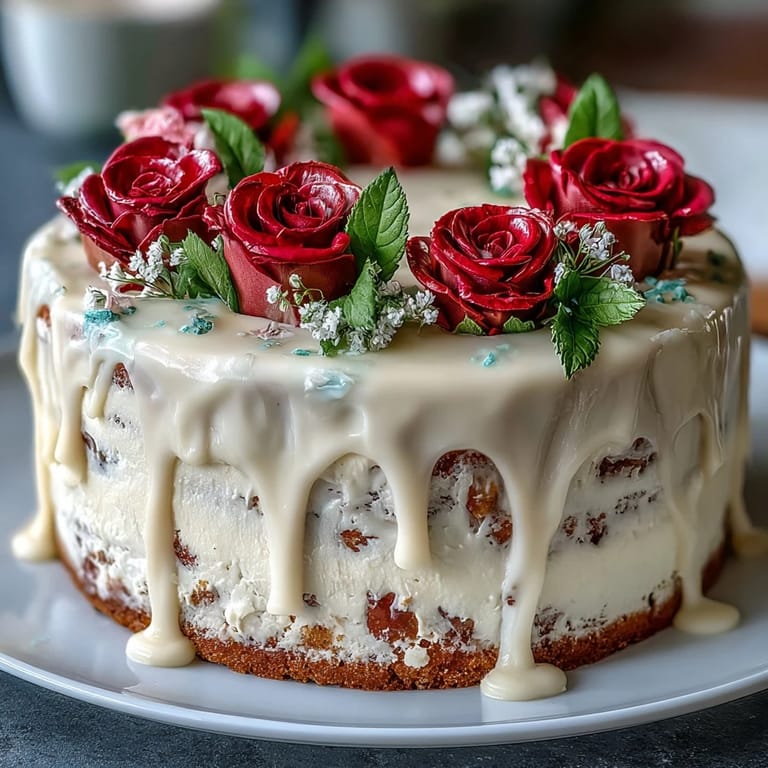
Piping roses intimidated me until a baker friend shared this: the frosting doesn't have to be perfect because flowers in nature aren't perfect either. Start with a small base swirl, then pipe petals around it, overlapping each one slightly and letting them unfurl naturally. If a petal looks wonky, add a leaf over it and suddenly it looks intentional. My first attempt looked a bit drunk, honestly, but once I added enough of them to the cake, the overall effect was charming.
Make-Ahead Timeline and Storage
You can bake the cake up to two days ahead and wrap it well at room temperature or refrigerate it, which actually helps it stay moist. Make your frosting the day before too, and store it covered at room temperature. The morning of your event, crumb coat the cake, refrigerate it for 30 minutes, then pipe your roses and message. This spreads the work across days so you're not stressed the morning of the celebration.
- Keep buttercream at room temperature while piping so it stays smooth and flowable, not stiff.
- If frosting gets too warm and starts to soften, pop it in the fridge for 10 minutes between piping.
- Decorated cakes store best in a cool room, away from direct sunlight and heat sources.
 Pin it
 Making a cake for someone's graduation is about more than the recipe—it's about showing up with skill and care at a moment that matters. I hope this cake becomes your celebration cake too, the one you make when someone deserves something beautiful and handmade.
Recipe FAQs
- → How do I achieve moistness in the cake?
Use room temperature ingredients and measure flour carefully. Alternating the flour mixture with milk ensures a tender crumb.
- → What is the best way to pipe buttercream roses?
Use petal piping tips and steady pressure. Practice swirling motions starting from a small cone shape to form layered petals.
- → Can I make the buttercream ahead of time?
Yes, prepare buttercream a day in advance and store covered at room temperature or refrigerated to maintain texture.
- → How do I prevent food coloring from running in the buttercream?
Use gel food coloring as it provides vibrant colors without thinning the frosting.
- → What is the best way to store leftovers?
Cover the cake and keep at room temperature for up to 2 days or refrigerate up to 5 days to preserve freshness.