 Pin it
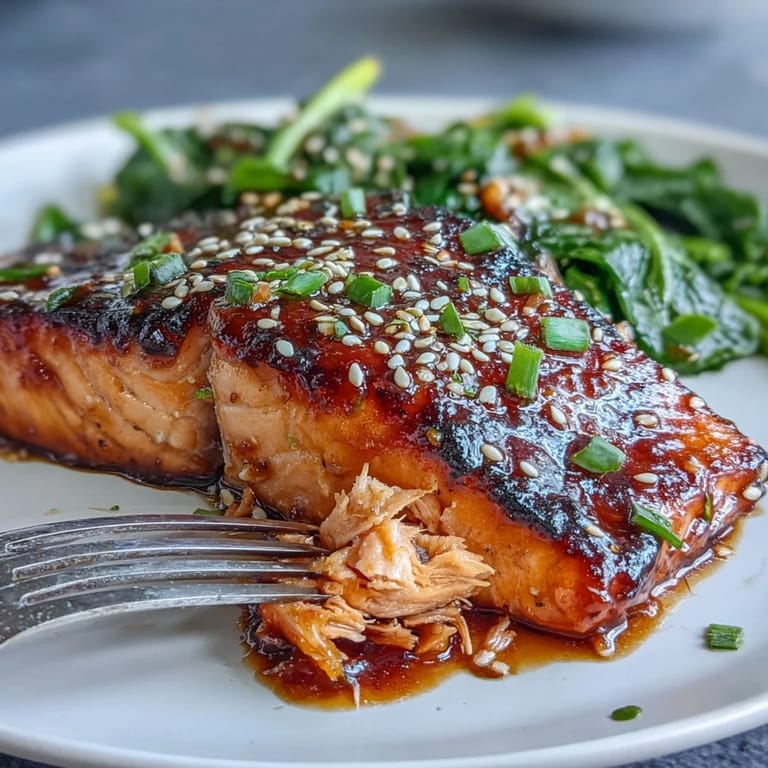
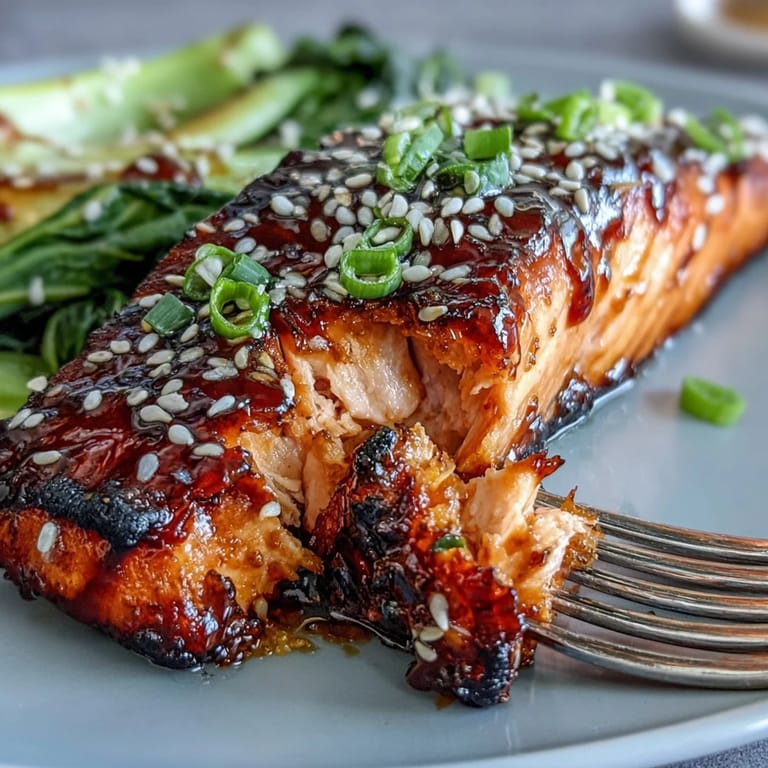
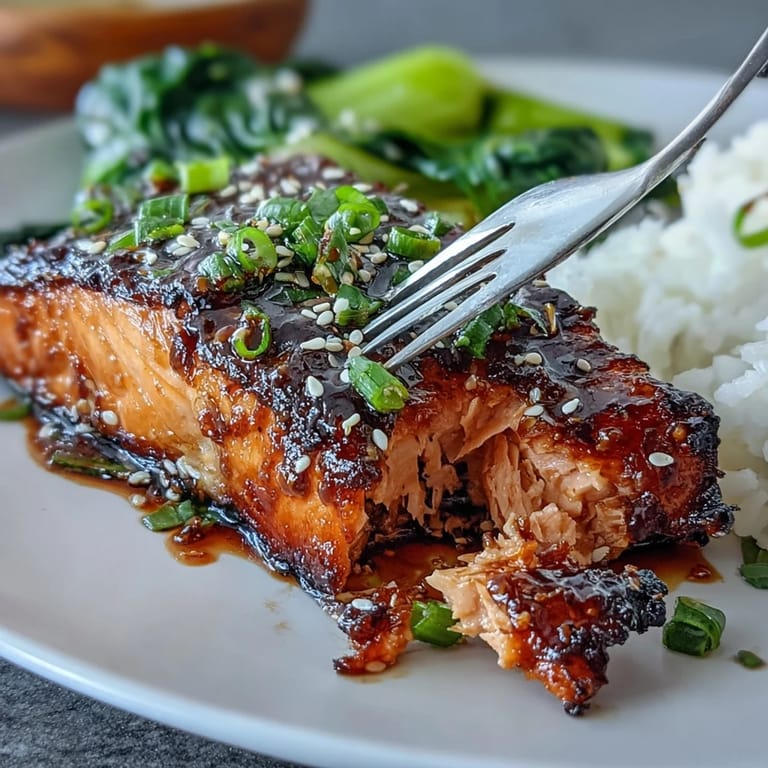
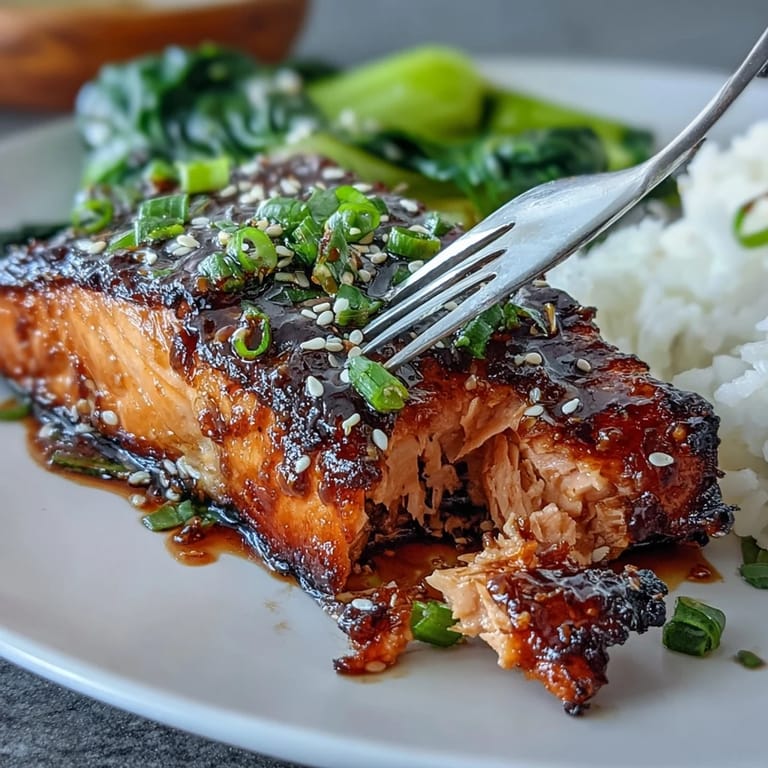
 The first time I tried making miso-glazed salmon, I wasn’t aiming for perfection—just a quick dinner that wouldn’t bore me midway through the week. The mingling scents of miso, honey, and garlic drifting through my tiny apartment kitchen caught me off guard, suddenly elevating the moment from routine to quietly exciting. There’s a peculiar thrill when a simple salmon fillet gets its rich, lacquered coat under the broiler. Cooking bok choy alongside always reminds me how fast fresh greens can become the star of the plate, especially when finished with a drizzle of sesame oil. Each time, it’s less about showmanship and more about the sizzle, aroma, and the anticipation of a savory bite that’s totally satisfying.
Once, on a muggy summer night, I cooked this for a friend who claimed she didn't like fish—the sizzling garlic, curling bok choy leaves, and that caramelized glaze won her over after just one bite. We'd started sharing stories about our favorite takeout meals, and by the end, we’d both agreed that this was better than the local spot. There’s a quiet satisfaction in watching doubt disappear and be replaced with delighted silence around the table.
Ingredients
- Salmon fillets: Go for the freshest you can find; leaving the skin on helps keep everything juicy, even if you don’t plan to eat it.
- White miso paste: This ingredient is the backbone of umami in the glaze—don’t skip it, and whisk well for a smooth mix.
- Soy sauce: Opt for low-sodium, which lets the other flavors shine while still seasoning the fish deeply.
- Honey or maple syrup: That gentle sweetness balances the savoriness perfectly; if you’re out of honey, maple syrup adds a subtle earthiness.
- Rice vinegar: Just a splash brings everything into balance and brightens the marinade.
- Grated fresh ginger: Don’t be tempted by powdered; fresh ginger cuts through the richness for a fresh, zippy note.
- Garlic: Minced fine, it adds a gentle heat to both marinade and greens.
- Sesame oil: Used twice for a toasty aroma—just a light touch or it can overpower.
- Baby bok choy: Crisp and tender, halve them for even cooking; rinse thoroughly to remove any hidden grit.
- Toasted sesame seeds: A quick sprinkle adds a nutty crunch to finish both salmon and veggies.
- Spring onions: Slice thinly for a splash of color and mild bite as a final touch.
- Lime wedges (optional): A squeeze right at the table brightens every bite, and people love customizing how much zing they want.
Tired of Takeout? 🥡
Get 10 meals you can make faster than delivery arrives. Seriously.
One email. No spam. Unsubscribe anytime.
Instructions
- Whisk Up the Marinade:
- In a small bowl, blend the miso paste, soy sauce, honey, rice vinegar, ginger, garlic, and sesame oil until everything’s silky smooth.
- Coat and Chill the Salmon:
- Lay the salmon fillets in a shallow dish, then pour over your marinade—massage it in a bit, cover, and let chill for at least 10 minutes to soak up the flavors.
- Preheat and Prep:
- Switch on your oven’s broiler or set it for 220°C (425°F), and line a sheet with parchment so the salmon doesn’t stick.
- Arrange and Reserve:
- Set the marinated salmon on the baking sheet and hold back extra marinade for basting.
- Broil or Roast:
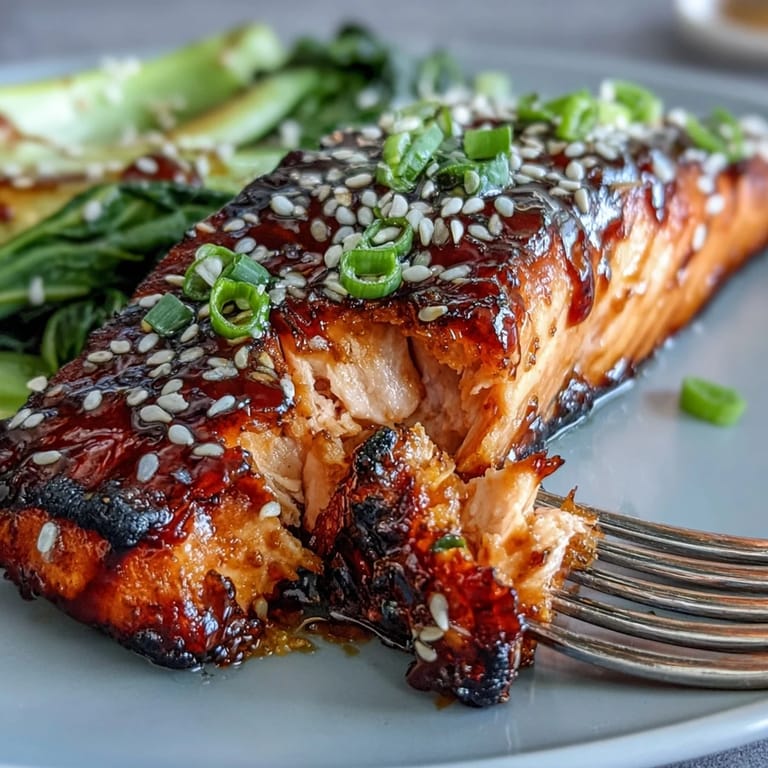
- Let the salmon roast for 8–10 minutes, brushing with more marinade, until it’s opaque and slightly caramelized around the edges.
- Sauté the Bok Choy:
- Heat sesame oil in a wide skillet, toss in sliced garlic until just golden, then add bok choy—stir-fry until glossy, still a bit crisp, and finish with soy sauce and sesame seeds.
- Garnish and Serve:
- Plate the salmon with sautéed bok choy, top with spring onions, sesame seeds, and a squeeze of lime if you’re feeling zesty.
 Pin it
  Pin it
 The night my cousin stopped by unannounced, I made this almost absentmindedly, but when we sat down with cold drinks and he tried it, he grinned and told me it was the best fish he’d had all year. That felt better than any fancy dinner out—sometimes the simplest meals make lasting memories.
Small Ways to Make It Your Own
Swapping in different greens—like broccolini or even snap peas—keeps this dish interesting when you’re on repeat. I’ve tossed in a handful of mushrooms for more earthiness, or added chili flakes to the marinade when I want a little heat. Adjusting the veggie side is a fun way to play, and every tweak makes it uniquely yours.
Pairing Ideas to Try
Plain steamed rice is the standby, but I’ve plated this with a pile of sesame noodles or even a crisp cucumber salad for a refreshing contrast. Adding a glass of chilled Riesling or Sauvignon Blanc always makes dinnertime feel special, whether you’re eating in sweatpants or setting the table.
Troubleshooting Little Bumps
Bok choy can sometimes steam more than it sautés, especially if the pan’s not hot enough, so make sure that oil shimmers before adding anything. If your salmon looks dry on top, an extra brush of marinade halfway through cooking saves the day. It’s amazing how a few small tweaks—timing, temperature—turns good into great.
- If salmon sticks, it’s probably not cooked enough to release—give it another minute.
- Leftover marinade isn’t safe to use as is, but boiled briefly, it’s a tasty drizzle.
- A wedge of lime on the side lets everyone tweak acidity to their taste.
 Pin it
  Pin it
 This meal always reminds me that what seems elaborate is often just a few good ingredients handled with care. Here’s hoping it brings a little bit of that magic to your next dinner too.
Recipe FAQs
- → How long should the salmon marinate?
A brief 10–30 minute marinate is enough to infuse flavor without over-salting; up to an hour deepens the miso character. Avoid much longer to prevent texture changes from the salt in miso.
- → Can I broil and roast the salmon interchangeably?
Yes. Broiling gives fast caramelization and a glazed top; roasting at 220°C (425°F) produces even cooking. Monitor closely in either method to avoid overcooking—8–10 minutes is typical for 150 g fillets.
- → Should I cook the salmon skin-on or skinless?
Skin-on helps the fillet hold together and crisps nicely under high heat; it also releases extra flavor. If using skin-on, press fillets skin-side down briefly in the pan or under the broiler to get it crisp before serving.
- → What are good substitutions for soy and honey?
Use tamari for a gluten-free soy alternative. For a vegan or maple-forward glaze, swap honey with maple syrup; adjust quantity to taste to maintain balance between sweet and savory.
- → How do I keep the bok choy crisp but cooked?
Cook over medium-high heat, stirring frequently for 2–3 minutes until stems are tender but leaves remain bright and slightly crisp. Adding soy and sesame seeds at the end preserves texture and imparts toasted flavor.
- → How should leftovers be stored and reheated?
Refrigerate cooled components in an airtight container up to 2 days. Reheat salmon gently in a low oven (150°C / 300°F) for 8–10 minutes to avoid drying; reheat bok choy briefly in a hot skillet with a splash of oil or water.