 Pin it
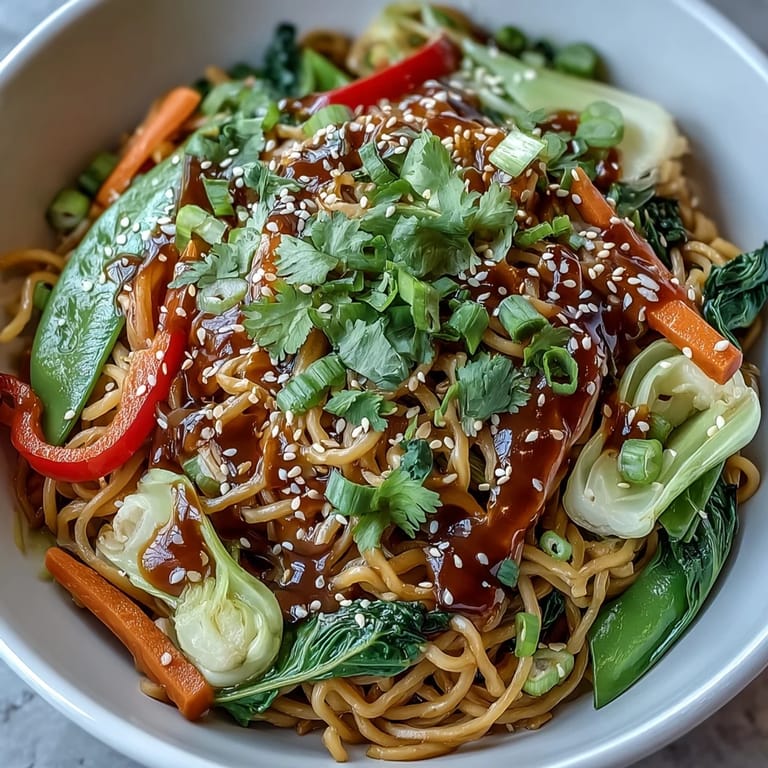
 I stumbled onto shirataki noodles by accident one Tuesday when I was staring into my pantry, desperate for something that wouldn't leave me feeling sluggish. A friend had raved about them being this magical low-carb swap, so I grabbed a package without really knowing what I was getting into. That first bowl—tossed with ginger and sesame, crisp vegetables catching the light—changed how I thought about quick weeknight meals entirely.
My partner walked into the kitchen as I was tossing everything together and the smell of ginger and sesame hit them immediately—they actually paused what they were doing and asked what I was making. Watching someone genuinely curious about a low-carb meal was its own small victory, and by the end of the bowl, they were asking if I could make it again tomorrow.
Ingredients
- Shirataki noodles (400 g): These translucent strands are made from konjac root and absorb whatever sauce you pair them with beautifully, plus they have virtually no carbs—just rinse them well under cold water before using, as they can smell a little funky straight from the package.
- Bok choy (1 cup, sliced): It wilts just slightly when tossed into the hot pan, keeping its tender stems and leafy tops intact, and adds a subtle mineral sweetness that rounds out the ginger.
- Red bell pepper (1/2, thinly sliced): The sweetness here balances the ginger and chili flakes, and it stays crisp if you don't overcook it.
- Snow peas (1/2 cup, trimmed): Their natural crunch is exactly what makes this bowl feel fresh rather than just warm—don't skip the quick cooking or they'll lose that snap.
- Carrot (1 medium, julienned): Thin matchsticks cook fast and add a subtle earthiness that plays nicely with sesame.
- Green onions (2, thinly sliced): Reserve some raw for garnish so you get the bite, then toss the rest in at the end for warmth.
- Tamari or gluten-free soy sauce (2 tbsp): Tamari is naturally gluten-free and tastes slightly deeper than regular soy sauce, so it's worth the small upgrade.
- Rice vinegar (1 tbsp): This is gentler than regular vinegar and brings a subtle tang without overpowering the ginger.
- Toasted sesame oil (1 tbsp): Use toasted, not raw—it has exponentially more flavor and a little goes a long way, so don't be tempted to double it.
- Fresh ginger (1 tbsp, finely grated): There's a real difference between fresh grated ginger and the pre-minced version—the fresh stuff has this bright heat that actually wakes up the whole bowl.
- Garlic (1 clove, minced): One clove is perfect here; any more and it overpowers the delicate ginger flavor.
- Maple syrup (1 tsp, optional): Just a touch rounds out the sauce and keeps it from being too sharp—think of it as balancing act rather than sweetening.
- Chili flakes (1/2 tsp, optional): If you like heat, this adds a gentle warmth that lingers rather than a sharp burn.
- Toasted sesame seeds (1 tbsp for garnish): Toast them yourself in a dry pan for 2 minutes if you can—the flavor difference is noticeable and worth the tiny effort.
- Fresh cilantro or basil leaves (optional garnish): Cilantro brings a bright herbaceousness, while basil adds something more delicate and slightly sweet.
Tired of Takeout? 🥡
Get 10 meals you can make faster than delivery arrives. Seriously.
One email. No spam. Unsubscribe anytime.
Instructions
- Rescue the shirataki noodles:
- Drain them from their package (that liquid can smell off, so don't be alarmed), rinse under cold water for a good 30 seconds, then boil for exactly 2 minutes to soften them slightly and remove any remaining funkiness. Pat them completely dry with paper towels—moisture is the enemy if you want them to absorb the sauce instead of getting soggy.
- Build the sauce:
- Whisk tamari, rice vinegar, sesame oil, fresh ginger, minced garlic, maple syrup, and chili flakes together in a small bowl until combined. Taste it straight from the spoon—it should make your mouth tingle slightly from the ginger and sesame, with a whisper of sweetness and heat.
- Get the vegetables moving:
- Heat your skillet or wok over medium-high heat until it's properly hot (water should sizzle immediately if you flick some in). Add carrot, bell pepper, and snow peas, then stir constantly for 2 to 3 minutes until they're just starting to soften but still have real crunch.
- Bring in the greens:
- Toss in the bok choy and most of the green onions, stirring for another minute or two until the bok choy is just beginning to wilt but still has some backbone. Everything should look vibrant and alive at this point.
- Marry it all together:
- Add your dried shirataki noodles to the pan, pour the sauce over everything, and toss vigorously for 2 to 3 minutes until the noodles are heated through and coated evenly. The sauce should cling to the noodles and vegetables, creating something that feels cohesive rather than separate.
- Finish and serve:
- Divide between bowls and scatter toasted sesame seeds and reserved green onions on top, plus fresh cilantro or basil if you're using it. A squeeze of lime right before eating brightens everything up instantly.
 Pin it
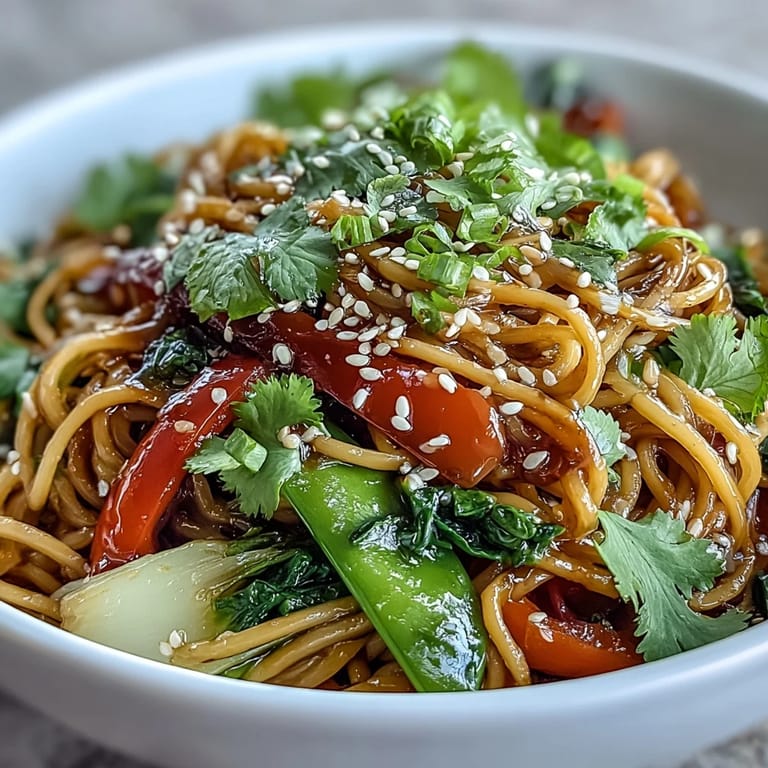
 There's something quietly satisfying about a meal that's genuinely good for you but doesn't feel like punishment, where you're not counting minutes until you can eat something 'real' afterward. This bowl does that—it's colorful, it's warm, it tastes alive, and somehow it leaves you feeling lighter and more energized than heavy.
Why Shirataki Works as a Noodle
The first time I tried shirataki noodles I was skeptical because, well, they're translucent and a little odd-looking compared to regular pasta. But they have this almost neutral flavor that actually absorbs the sauce around them beautifully—they become a vehicle for whatever seasonings you use rather than competing with them. The texture is tender without being mushy if you treat them right, and they have almost no carbohydrate impact, which means you can eat a full, satisfying bowl without any of the heaviness.
Playing with Vegetables and Protein
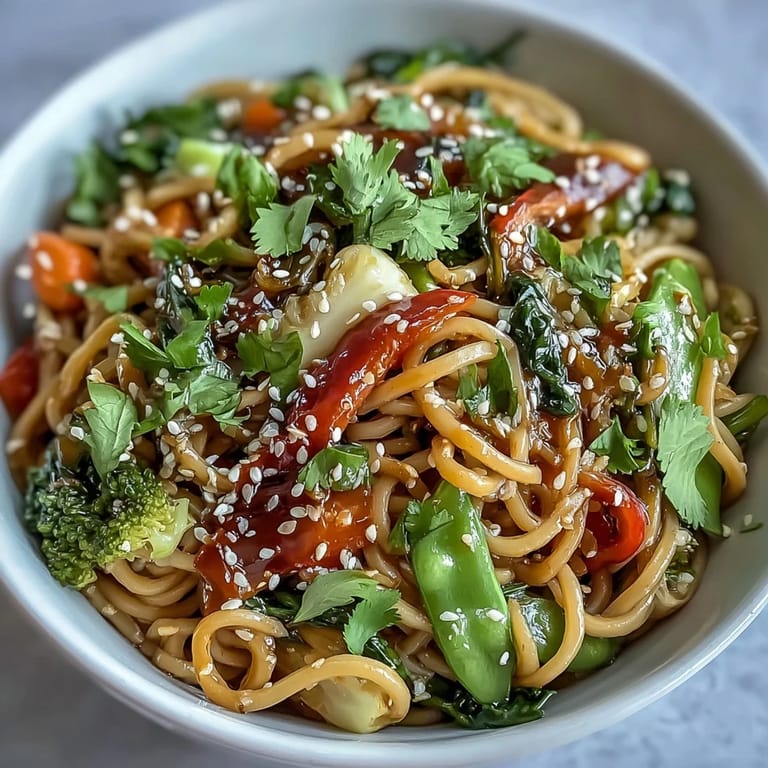
One of the best things about this bowl is how flexible it is depending on what's in your fridge or what's calling to you that day. Broccoli gets slightly charred and sweet when stir-fried, mushrooms turn earthy and meaty, snap peas add more crunch, and whatever you choose will taste good because the ginger sauce is honestly that good. If you want to make it more filling, grilled tofu soaks up the sauce like a dream, tempeh gives you a nuttier texture, or shrimp cooks in about 3 minutes right alongside the vegetables.
The Secret to Crisp-Tender Vegetables and Quick Sauce Tips
The timing on the vegetables matters more than you'd think—they should still have a gentle resistance when you bite into them, not soft all the way through. Make sure your pan is actually hot before the vegetables hit it, because a slow pan means steaming instead of stir-frying, and steaming will turn everything mushy. The sauce is small in volume but huge in flavor, so a little goes a long way, and you can always thin it with a splash of water or rice vinegar if it feels too concentrated for your taste.
- Prep every single ingredient before you start cooking, since the actual cooking happens in about 10 minutes and you won't have time to julienne a carrot mid-stir-fry.
- If you're sensitive to heat, start with just 1/4 teaspoon of chili flakes and add more once you taste it, since the heat builds as it sits.
- A squeeze of fresh lime juice right before eating takes this from good to unexpectedly bright and makes you want to make it again immediately.
 Pin it
 This bowl has become my go-to when I want something that feels nourishing without requiring much fussing, and somehow it never gets boring because you can change it based on your mood. Make it once and you'll understand why it's become the kind of meal I return to again and again.
Recipe FAQs
- → What do shirataki noodles taste like?
Shirataki noodles have a very mild, neutral taste on their own. They absorb flavors from sauces and seasonings beautifully, making them perfect vehicles for aromatic preparations like this ginger sauce.
- → Do I need to cook shirataki noodles?
Yes, preparation is important. Drain, rinse thoroughly under cold water, then boil for 2 minutes. Pat them dry with paper towels to remove excess moisture before adding to the pan.
- → Can I make the ginger sauce ahead?
Absolutely. Whisk together all sauce ingredients and store in an airtight container in the refrigerator for up to 5 days. The flavors actually meld and improve over time.
- → What vegetables work best in this bowl?
Bok choy, bell pepper, snow peas, and carrots offer great texture and color contrasts. Feel free to substitute broccoli florets, snap peas, mushrooms, or sliced cabbage based on what's available.
- → How can I add more protein?
Grilled tofu, tempeh, edamame, or cooked shrimp work wonderfully. For a vegan option, try crispy baked tofu or marinated tempeh slices added during the final minutes.
- → Is this dish spicy?
The base preparation has gentle warmth from fresh ginger and garlic. The optional chili flakes add adjustable heat—start with a pinch and increase according to your preference.