 Pin it
 My neighbor knocked on my door one sticky July afternoon with a bag of mangoes she couldn't eat fast enough, and I found myself standing in my kitchen wondering how to turn abundance into something showstopping. That's when the idea of a fruit display hit me—not just a bowl of cut fruit, but something that would make people pause when they walked into a room. The first time I arranged those golden mangoes and sunset-colored pineapples on my grandmother's old platter, I realized this wasn't really about the fruit at all. It was about creating a moment, a visual feast that tasted like summer itself.
I made this for my daughter's high school graduation party on a whim, worried the display would wilt before guests arrived. Instead, it became the centerpiece everyone photographed and picked at all afternoon, conversations happening naturally around the platter as people reached for berries and mango slices. That day taught me that simple, beautiful food does something chemistry can't explain—it brings people together without trying.
Ingredients
- Ripe mangoes (2): These are your gold standard—they should yield slightly to pressure but not be mushy, and their sweetness anchors the whole display.
- Large pineapple (1): Choose one that smells fragrant at the base and feels heavy for its size, a sign of juiciness and proper ripeness.
- Kiwis (2): The bright green interior adds visual pop that photographs beautifully and provides a subtle tartness.
- Papaya (1): Its pale peachy color bridges your yellows and reds, and it adds a creamy texture that contrasts nicely with firmer fruits.
- Dragon fruit (1): This is your showstopper—the hot pink exterior and speckled white interior make people do a double take.
- Seedless red grapes (1 cup): They roll slightly when arranged, creating natural pockets of color that catch light.
- Fresh strawberries (1 cup): Hull them just before assembling so they don't weep juice across your other fruits.
- Blueberries (1 cup): These tiny spheres nestle into gaps and add depth to your color palette.
- Fresh mint leaves (1/4 cup): Their aroma wakes up the whole display and signals freshness to anyone approaching the platter.
- Lime wedges: These serve triple duty—garnish, flavor enhancer, and a visual nod that tropical drinks pair beautifully with this spread.
- Vanilla Greek yogurt (1 cup, optional): If you make the dipping sauce, this creamy base balances fruit sweetness and adds richness without heaviness.
- Honey or agave syrup (1 tablespoon, optional): Just a whisper of sweetness ties the yogurt sauce together.
Tired of Takeout? 🥡
Get 10 meals you can make faster than delivery arrives. Seriously.
One email. No spam. Unsubscribe anytime.
Instructions
- Prep your fruit station:
- Clear your cutting board and gather all tools before you start—mangoes can be slippery, so having everything ready keeps you safe and moving smoothly. I like laying out small bowls for each prepped fruit so I can see exactly how much of each color I'm working with.
- Slice and prepare each fruit with intention:
- For mangoes, slice along the pit to create two halves, then score the flesh in a crosshatch pattern and use your knife to separate the cubes from the skin. The pineapple should be peeled completely of its eyes, cored, and cut into spears or chunks depending on your platter size—spears lean more elegant, chunks feel more casual.
- Arrange your composition:
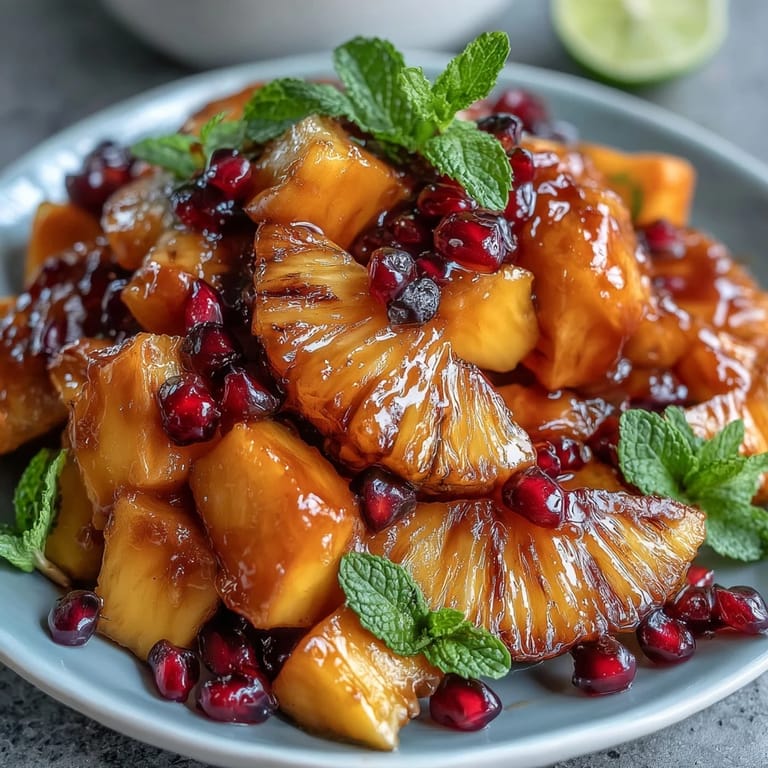
- Start by placing your largest, most dramatic fruits (mango fans and pineapple spears) at the center or base of your platter, then fill in around them like you're painting with color. Alternate warm tones (mango, strawberry) with cool ones (blueberry, kiwi) to create visual rhythm that draws the eye around the display.
- Layer for dimension:
- Place papaya slices overlapping slightly, then tuck in your dragon fruit, weave kiwis between larger pieces, and scatter grapes and berries into the remaining gaps. This isn't about covering every inch—negative space actually makes your display feel more intentional and elegant.
- Finish with fresh garnish:
- Tuck mint leaves into crevices and scatter lime wedges around the edges, then step back and look at it from above—this is when you'll spot any color gaps you want to fill.
- Make your dipping sauce if using:
- Whisk yogurt, honey or agave, and lime zest together in a small bowl until creamy and pourable. A tiny bowl of sauce nestled to the side gives people a second flavor dimension without overwhelming the natural fruit taste.
- Chill until service:
- Cover loosely with plastic wrap and refrigerate—the cold keeps everything crisp and fruit juices stay contained rather than pooling across your platter.
 Pin it
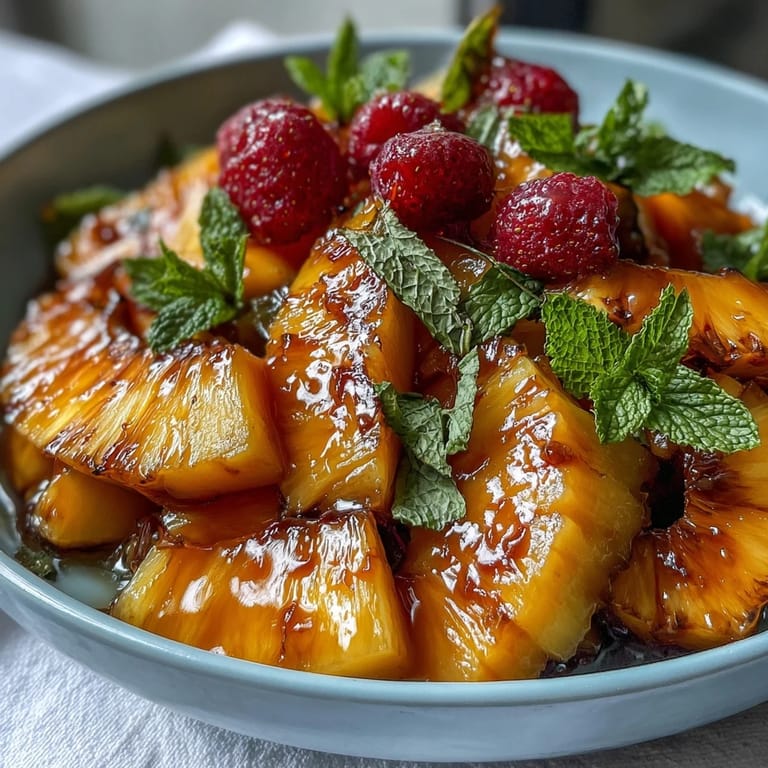
 What struck me most was when my nine-year-old nephew asked if he could take a picture before eating anything—he'd never thought of fruit as something beautiful enough to photograph. Watching him examine the colors and point out which ones were his favorites made me understand that this display does something beyond nourishment, it makes people slow down and really look at their food.
Choosing Your Fruits Strategically
Ripeness is everything here, and I learned this through trial and error over several failed attempts. An underripe mango tastes mealy and disappointing, while an overripe one turns into mush the moment you slice it—that sweet spot is when it yields to gentle thumb pressure but springs back slightly. The same principle applies to pineapple: if it smells faintly sweet and the leaves pull out with minimal resistance, you're in the golden window. Pineapples are forgiving because they don't ripen much after harvest, so what you buy is what you get, which means choosing carefully at the store pays dividends on your platter.
Building Your Color Palette Like an Artist
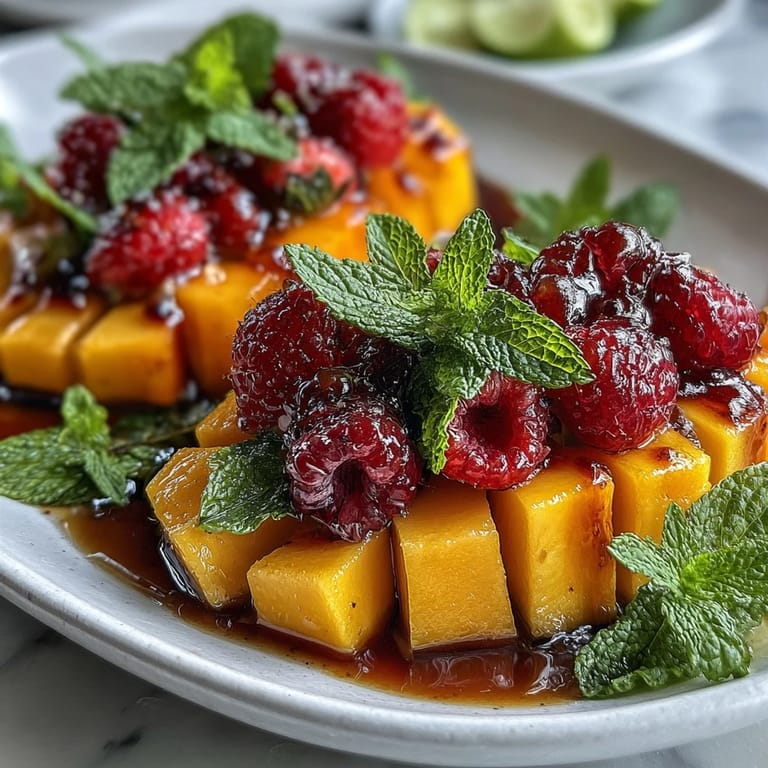
I used to just arrange fruit randomly until my artist friend pointed out that I was essentially creating a still life, and suddenly everything clicked into place. The warm yellows and oranges of mango and papaya should anchor your display, with vibrant pinks and reds scattered throughout to keep eyes moving, and cool greens and blues tucked into strategic spots to provide rest for the eye. Think of it like conducting an orchestra where no single color dominates but everything plays together—and don't underestimate the power of green grapes and mint leaves to quiet down a too-busy arrangement and make everything feel cohesive.
Timing and Temperature for Maximum Impact
Fruit absorbs flavors from whatever surrounds it, so I never prep this more than four hours ahead, and I keep it on the coldest shelf in my refrigerator where it stays crisp and the flavors stay pure. When guests arrive, the first thing they notice is the cool freshness—there's something about ice-cold fruit on a summer afternoon that feels like luxury. A hot kitchen makes everything wilt faster, so chill your platter itself if you have time, and serve the yogurt sauce ice-cold in a small bowl nestled directly on ice.
- If you're making this for a gathering, assemble it no more than two hours before people arrive unless you're working in a very cool kitchen.
- Freshly cut fruit oxidizes and berries release juice, so the closer to serving time you prepare it, the better everything tastes and looks.
- Keep backup lime wedges and mint in the fridge in case any garnish wilts before service.
 Pin it
 Making this display taught me that hospitality doesn't always mean cooking—sometimes it means arranging beauty with care and watching people respond to it. That's the real magic happening here.
Recipe FAQs
- → What fruits are featured in this tropical display?
The centerpiece highlights ripe mangoes and pineapples, complemented by papaya, dragon fruit, kiwis, grapes, strawberries, and blueberries.
- → How can I enhance the flavor of the fruit display?
Fresh mint leaves and lime wedges add aroma and brightness, while an optional dipping sauce of vanilla or coconut yogurt with honey and lime zest offers creamy tanginess.
- → Can I substitute any fruits in this arrangement?
Fruits like passion fruit, star fruit, or melon can be swapped in according to season or preference without losing the tropical appeal.
- → What tools are needed to prepare the fruit display?
A sharp chef's knife, paring knife, cutting board, large platter or tiered stand, small bowl for dip, and serving tongs are recommended.
- → Is this arrangement suitable for special diets?
It naturally suits vegan and gluten-free diets, especially when coconut yogurt is used in place of dairy-based options.