 Pin it
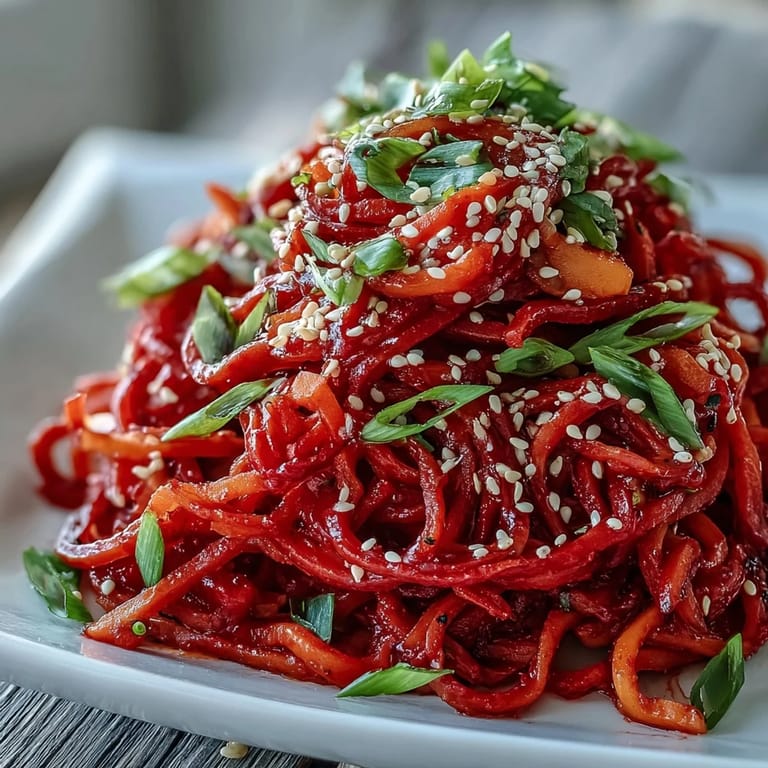
 I started playing with swede ribbons after I got tired of spiralizing zucchini every other night. Something about roasting them until the edges turn golden made the whole kitchen smell like caramelized earth and butter, even though there was no butter involved. The first batch I made was supposed to be a side dish, but I kept sneaking forkfuls straight from the pan. By the time I thought to toss them with gochujang and noodles, I'd already eaten half the tray standing at the counter.
I made this for a friend who claimed she didn't like swede, and she finished two bowls before admitting she was wrong. We sat on my back porch with our feet up, twirling noodles and talking about nothing important. She said the sesame seeds made it feel fancy, and I didn't have the heart to tell her I'd only added them because I had half a jar to use up.
Ingredients
- Swede (rutabaga): Peel it well because the skin can be waxy, and cut your ribbons as thin as you can manage so they roast up with crispy edges and tender centers.
- Rice noodles: I like the flat kind, but any rice noodle works as long as you rinse them in cold water after cooking to stop them turning gummy.
- Gochujang: This Korean chili paste is the soul of the dish, bringing fermented depth and a slow building heat that doesn't slap you in the face.
- Maple syrup: It tames the gochujang and adds a gentle sweetness that makes the dressing cling and shine.
- Toasted sesame oil: A little goes a long way, and it smells like every good stir fry you've ever had.
- Spring onions: They add a sharp, fresh bite that cuts through the richness of the dressing.
- Sesame seeds: Toast them in a dry pan for a minute until they smell nutty, or just buy them pre toasted if you're feeling sensible.
- Fresh cilantro: Some people love it, some people think it tastes like soap, so garnish accordingly.
Tired of Takeout? 🥡
Get 10 meals you can make faster than delivery arrives. Seriously.
One email. No spam. Unsubscribe anytime.
Instructions
- Roast the swede:
- Preheat your oven to 220°C and toss those swede ribbons with oil, salt, and pepper until they glisten. Spread them out on a baking sheet without crowding, then roast for 25 to 30 minutes, flipping them halfway so they brown evenly and get those sweet caramelized edges.
- Cook the noodles:
- While the swede roasts, boil your rice noodles according to the package directions, then drain and rinse them under cold water. This stops them sticking together in a sad clump while you finish everything else.
- Make the dressing:
- Whisk together the gochujang, soy sauce, maple syrup, rice vinegar, sesame oil, garlic, ginger, and chili flakes if you're using them. Add water a tablespoon at a time until it's pourable but still thick enough to coat the back of a spoon.
- Toss it all together:
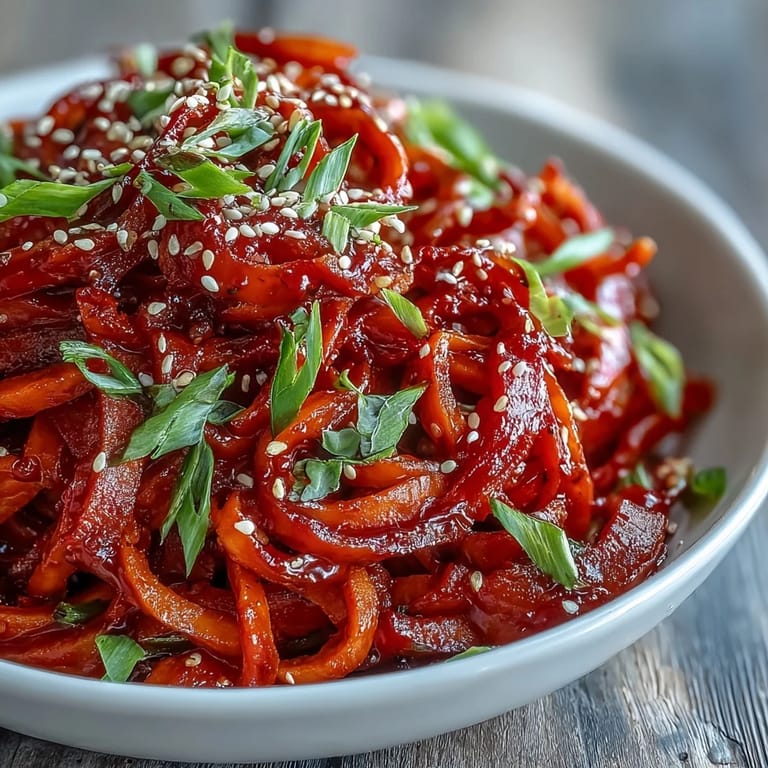
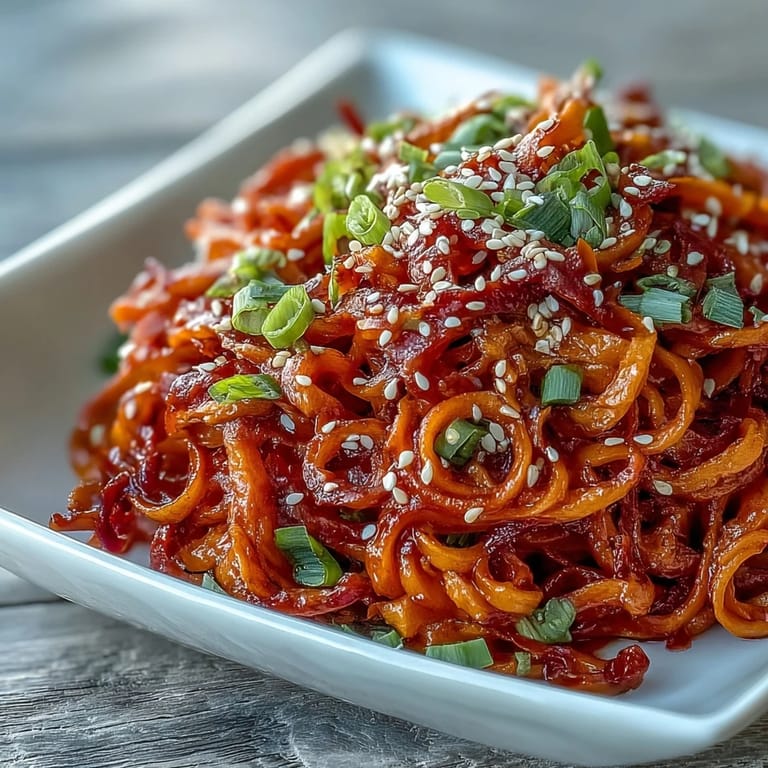
- In a big bowl, combine the roasted swede, noodles, spring onions, carrot, and bean sprouts if you have them. Pour the dressing over everything and toss with your hands or tongs until every ribbon and noodle is slicked with that glossy red sauce.
- Serve:
- Pile it into bowls, scatter over the toasted sesame seeds and cilantro, and eat it while it's still warm. The textures are best right away, though leftovers are pretty good cold from the fridge the next day.
 Pin it
 This dish became my go to when I wanted something that felt nourishing but also exciting, something I could eat alone on a Tuesday or serve to people who expected more than plain rice and steamed veg. It's proof that you don't need meat or cream or complicated techniques to make a meal that sticks with you long after the bowl is empty.
Make It Your Own
I've added pan fried tofu when I needed more protein, and edamame works just as well if you want something quicker. Sometimes I throw in leftover roasted mushrooms or a handful of spinach at the end, and it always tastes like it was meant to be there. The dressing is forgiving, so trust your instincts and use what you have.
Storing and Reheating
Leftovers keep in the fridge for up to three days in an airtight container, though the noodles will soak up some of the dressing as they sit. I like to eat them cold straight from the container, but if you want to reheat, a quick toss in a hot pan with a splash of water brings everything back to life. Just don't microwave it too long or the noodles will turn rubbery.
Pairing and Serving Suggestions
This pairs beautifully with a cold beer or a crisp Riesling, something with a little sweetness to balance the gochujang heat. I've served it alongside Korean style pickles and it felt like a full feast, but honestly it stands up fine on its own.
- Add a fried egg on top if you want richness and a runny yolk to stir through.
- Serve it with a side of quick pickled radishes for crunch and acidity.
- Double the dressing and keep extra in a jar for drizzling over rice bowls or roasted vegetables later in the week.
 Pin it
 This recipe taught me that swede deserves more respect than it usually gets, and that a good dressing can transform just about anything into dinner. Make it once and you'll start seeing ways to use that gochujang mix on everything.
Recipe FAQs
- → Can I substitute swede with another vegetable?
Yes, you can use sweet potato, butternut squash, or zucchini ribbons as alternatives. Adjust roasting time based on the vegetable's density and water content.
- → How can I make this dish gluten-free?
Use tamari instead of soy sauce and ensure your gochujang is certified gluten-free. Check all ingredient labels carefully as some brands may contain gluten.
- → What can I use instead of gochujang?
Mix sriracha or sambal oelek with a bit of miso paste and brown sugar for a similar sweet-spicy profile, though the flavor won't be identical to authentic gochujang.
- → How do I store leftovers?
Store in an airtight container in the refrigerator for up to 3 days. The noodles may absorb some dressing, so add a splash of sesame oil or extra dressing when reheating.
- → Can I add protein to this dish?
Absolutely. Pan-fried tofu, edamame, tempeh, or grilled chicken work wonderfully. Add them when tossing the noodles with the dressing for best integration.
- → What wine pairs well with this dish?
A crisp Riesling balances the spicy-sweet flavors beautifully. Alternatively, try a light lager or a chilled sake for an Asian-inspired pairing.