 Pin it
 My neighbor knocked on my door one afternoon with a bag of rainbow carrots from the farmers market, and I had no idea what to do with them besides the usual roast-and-forget method. She mentioned hummus, and something about that pairing stuck with me—the earthiness of tahini against the natural sweetness of those impossibly colorful roots felt like it belonged together. Now whenever I make this, I'm transported back to that sunny kitchen moment, watching the carrots turn glossy and caramelized while the food processor hummed away next to me.
I made this for a small potluck once, and a friend who swears she doesn't like vegetables actually went back for thirds. She kept saying the carrots tasted like candy, which made me laugh because she was so surprised at herself. That's when I realized this wasn't just healthy eating—it was proof that good ingredients and a little caramelization can change someone's mind.
Ingredients
- Rainbow carrots (1 lb): The variety in colors isn't just for looks—each color brings slightly different flavor notes, and they all caramelize beautifully if you don't crowd the pan.
- Olive oil (2 tbsp for carrots, 2 tbsp for hummus): Good quality makes a real difference here, especially in the hummus where it's a starring ingredient.
- Tahini (1/4 cup): This is the soul of your hummus—it gives that creamy richness that chickpeas alone simply can't achieve.
- Chickpeas (1 can, drained): Always rinse yours thoroughly because that starchy liquid will make your hummus gluey instead of smooth.
- Lemon juice (2 tbsp fresh): Bottled just won't cut it here; fresh lemon juice keeps the hummus bright and prevents it from tasting dusty.
- Garlic (1 clove): One clove is enough—I learned this the hard way after an overzealous addition that made everyone's breath unforgettable.
- Cumin (1/2 tsp for hummus, optional 1/2 tsp for carrots): It adds a warm, slightly nutty undertone that ties everything together.
- Sea salt and pepper: Season in layers, not all at once—taste as you go so you don't oversalt.
- Cold water (2-3 tbsp): Add it slowly; hummus thickens as it sits, so better to start slightly thick than to pour in too much.
Tired of Takeout? 🥡
Get 10 meals you can make faster than delivery arrives. Seriously.
One email. No spam. Unsubscribe anytime.
Instructions
- Heat your oven and prep your canvas:
- Set the oven to 425°F and line a baking sheet with parchment paper—this prevents sticking and makes cleanup effortless. The parchment also helps the carrots caramelize more evenly since they're not sitting directly on the hot metal.
- Dress the carrots:
- Toss your carrots with olive oil, salt, pepper, and cumin in a bowl, making sure each piece gets a light coating. Arrange them in a single layer on your prepared sheet, leaving a little space between each carrot so heat can circulate and work its magic.
- Roast until golden:
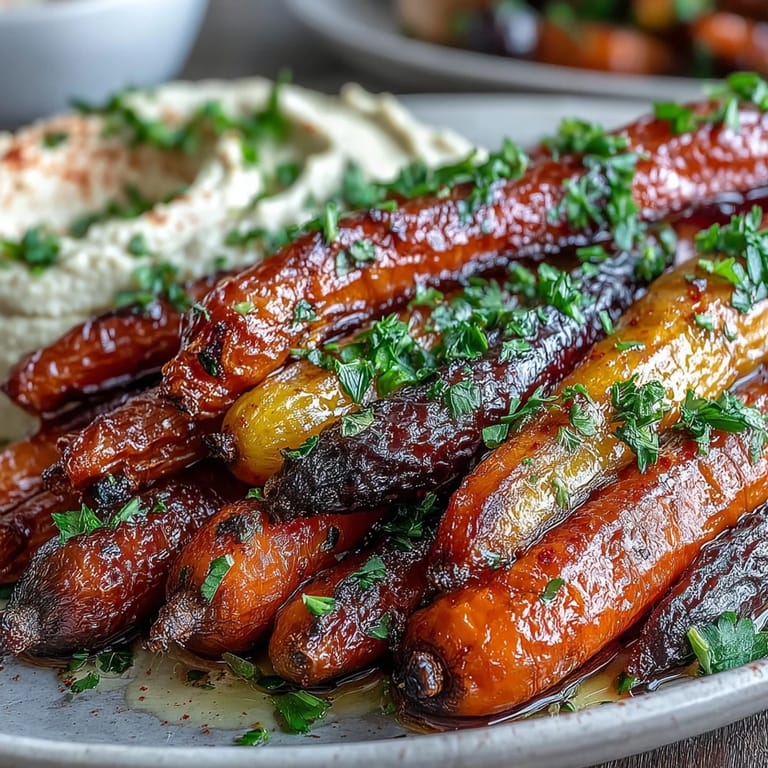
- Pop them in the oven for about 25 to 30 minutes, turning them halfway through. You'll know they're done when the edges have darkened slightly and a fork slides through the thickest carrot with gentle pressure.
- Build your hummus while carrots roast:
- Add chickpeas, tahini, olive oil, lemon juice, minced garlic, cumin, and salt to your food processor. Pulse and blend until the mixture goes from chunky to silky, which usually takes about a minute or two of steady blending.
- Adjust texture and taste:
- If your hummus looks thicker than you'd like, drizzle in cold water one tablespoon at a time while the processor runs, tasting after each addition. Once it tastes right—bright from lemon, rich from tahini, balanced in salt—you're done.
- Plate and serve:
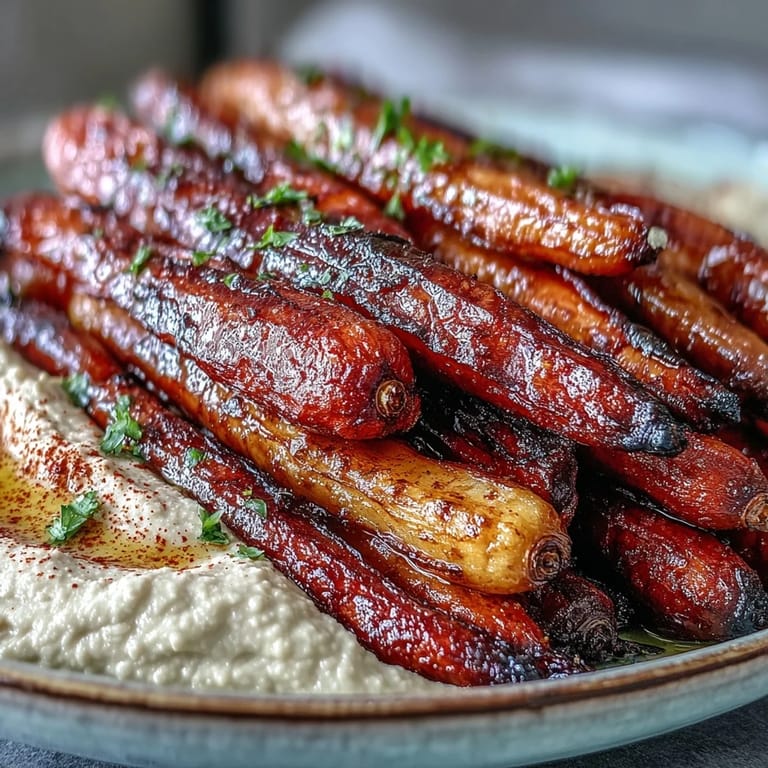
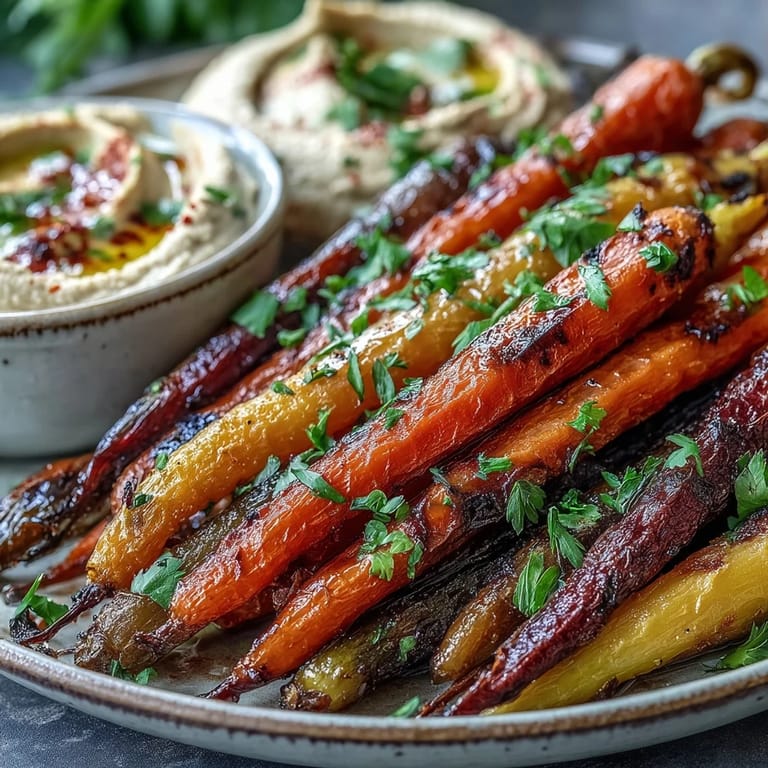
- Scoop the hummus into a shallow bowl, swirl it slightly with the back of a spoon, and drizzle with olive oil and a pinch of smoked paprika. Arrange your warm roasted carrots on a platter alongside, scatter fresh parsley over everything, and watch people reach for it immediately.
 Pin it
 One evening, my partner took one bite of the hummus and asked if I'd opened a jar from the store—I hadn't, but that moment felt like winning the lottery. Food doesn't have to be complicated to be impressive, and there's real joy in serving something simple that makes people pause and actually taste what's in front of them.
The Magic of Caramelization
The key to these carrots isn't speed—it's patience and heat. When you roast them at 425°F, the natural sugars in the carrots concentrate and brown, creating a sweet, almost candy-like exterior while the inside stays tender. I used to undercook vegetables thinking I was being healthy, but caramelization is where vegetables actually become delicious. Don't be afraid of a little color; it's flavor being born.
Tahini Is Your Secret Weapon
Most people think hummus is all about the chickpeas, but really it's the tahini doing the heavy lifting. That sesame paste creates the creaminess no amount of oil alone could achieve, and it adds an almost nutty depth that feels sophisticated without being pretentious. The first time I made hummus without tahini, thinking I was being inventive, it tasted thin and one-dimensional. Tahini changed everything.
Serving and Variations
This platter works as an appetizer for guests, a snack with pita bread, or even a simple dinner when you're not feeling ambitious. I've served it at room temperature, warm, and even chilled, and each version tells a slightly different story. The beauty of this dish is how forgiving it is—add toasted pine nuts, scatter pomegranate seeds, or set out raw vegetables alongside the carrots.
- Toasted sesame seeds or dukkah sprinkled on top add a delightful crunch that keeps people coming back for more.
- A pinch of chili flakes or cayenne mixed into the carrots before roasting gives a subtle heat that plays beautifully against the cool, creamy hummus.
- Make this ahead and let the flavors settle—hummus tastes even better after a few hours in the refrigerator.
 Pin it
 This dish has quietly become my go-to when I want to feel like I've made something special without the stress. There's something deeply satisfying about serving food that's both beautiful and genuinely good for you.
Recipe FAQs
- → What makes rainbow carrots special?
Rainbow carrots bring varied colors and subtle flavor differences—orange carrots are classic and sweet while purple varieties offer earthier notes and yellow carrots tend to be milder. The natural sweetness intensifies beautifully when roasted.
- → How do I get the smoothest hummus texture?
Blend your tahini and lemon juice first before adding chickpeas creating a creamy base. Use cold water gradually to reach your desired consistency. For extra silky results peel the chickpeas or run the processor longer than expected.
- → Can I prepare this ahead of time?
The hummus actually improves after a day in the refrigerator as flavors meld. Roast carrots up to 4 hours before serving then bring to room temperature. Garnish fresh herbs and olive oil just before presenting for best appearance.
- → What pairs well with this platter?
Serve with warm pita bread crisp cucumber slices cherry tomatoes radishes or olives. A drizzle of good-quality olive oil and sprinkle of za'atar or dukkah adds lovely depth. Crusty focaccia or flatbread also work beautifully.
- → How do I know when the carrots are done roasting?
Look for tender carrots that yield easily when pierced with a fork and display caramelized edges. They should be slightly shriveled with golden-brown spots. The natural sugars will have concentrated creating a sweeter more intense flavor.
- → Can I substitute regular carrots?
Absolutely—standard orange carrots work wonderfully though you'll miss the visual variety. Consider cutting them into varied sizes or shapes for interest. Baby carrots with tops also make an attractive presentation while delivering similar sweetness.