 Pin it
 My kitchen smelled like roasted earth the first time I let beets sit in the oven long enough to actually caramelize their natural sugars. I'd always rushed them before, but that afternoon, distracted by a phone call, I forgot about them completely—and discovered something magical when I finally pulled them out, wrinkled and tender. That accident taught me that beets need time to become something more than just vegetables; they transform into something sweet and almost meaty. That's when I decided to build an entire hummus around that roasted depth, layering in tahini and lemon to create something that feels both grounding and bright.
I made this for a potluck once where I showed up nervous, carrying a bowl of something nobody recognized. By the end of the evening, someone's kid had gone through half of it with a wooden spoon while sitting on the kitchen counter, and I watched a grown man pause mid-conversation to ask for the recipe. That's when I realized this hummus doesn't need to be fancy or complicated—it just needs to taste like you actually tried, like you roasted something instead of taking shortcuts.
Ingredients
- 1 medium beet (about 180 g), trimmed and scrubbed: Choose one that feels firm and heavy for its size; smaller beets tend to be sweeter and less woody than massive ones, which I learned the hard way after a particularly fibrous batch.
- 1 small garlic clove, peeled: One clove is really all you need because the beet and tahini already carry weight; too much garlic and you'll overshadow the earthy sweetness you worked to develop.
- 400 g (1 can) chickpeas, drained and rinsed: Rinse them thoroughly under cold water to remove that starchy liquid that makes hummus gluey instead of creamy.
- 3 tbsp tahini: Use a brand you actually like the taste of, because tahini is the backbone here and a bitter or rancid one will ruin everything; store it in the fridge after opening to keep it fresh.
- 2 tbsp fresh lemon juice (about 1 lemon): Fresh lemon cuts through the richness and keeps the beet flavor from becoming one-dimensional; bottled juice won't give you that same brightness.
- 2 tbsp extra-virgin olive oil, plus more for drizzling: This isn't the place to use the cheap stuff; good olive oil changes the whole texture and adds a peppery note that makes people wonder what your secret is.
- ½ tsp ground cumin: Toast it in a dry pan for 30 seconds before adding if you want a warmer, deeper flavor, though it's not necessary.
- ¼ tsp sea salt, or to taste: Start with less; you can always add more but you can't take it back.
- 2–3 tbsp cold water (as needed): Cold water blends more smoothly than room temperature and helps you control the consistency without breaking the emulsion.
Tired of Takeout? 🥡
Get 10 meals you can make faster than delivery arrives. Seriously.
One email. No spam. Unsubscribe anytime.
Instructions
- Roast the beet until it surrenders:
- Wrap your beet tightly in foil and roast at 200°C (400°F) for 40 to 45 minutes until a fork slides through like butter. The skin will loosen naturally and the whole thing will smell almost caramel-like when it's done; that's your sign you're there.
- Cool and peel with your hands:
- Let it sit for a few minutes until you can handle it, then rub the skin away under cool running water—it'll slip right off like the beet is shedding a layer. Roughly chop it and set aside; you don't need perfect pieces here.
- Build the hummus in the processor:
- Combine the roasted beet, chickpeas, garlic, tahini, lemon juice, olive oil, cumin, and salt, then pulse and blend until the texture moves from chunky to creamy and nearly smooth. Stop and scrape the sides down a few times; the food processor sometimes leaves little pockets of unmixed tahini hiding at the bottom.
- Stream in water until it flows:
- Turn the motor on and add cold water one tablespoon at a time, letting each bit fully incorporate before adding more. Watch the hummus transform from thick paste into something airy and spreadable; stop as soon as you like how it looks.
- Taste and adjust your seasoning:
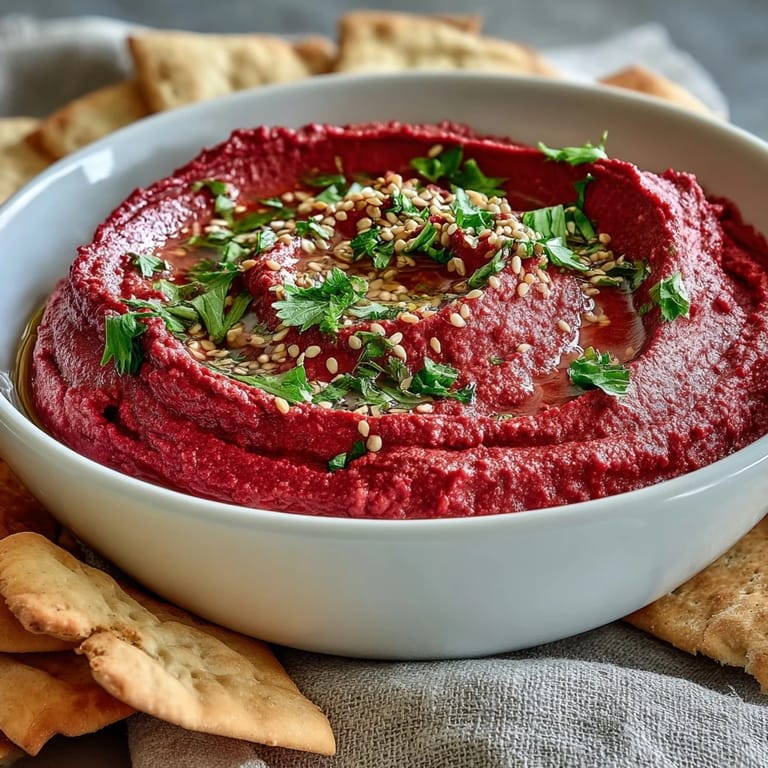
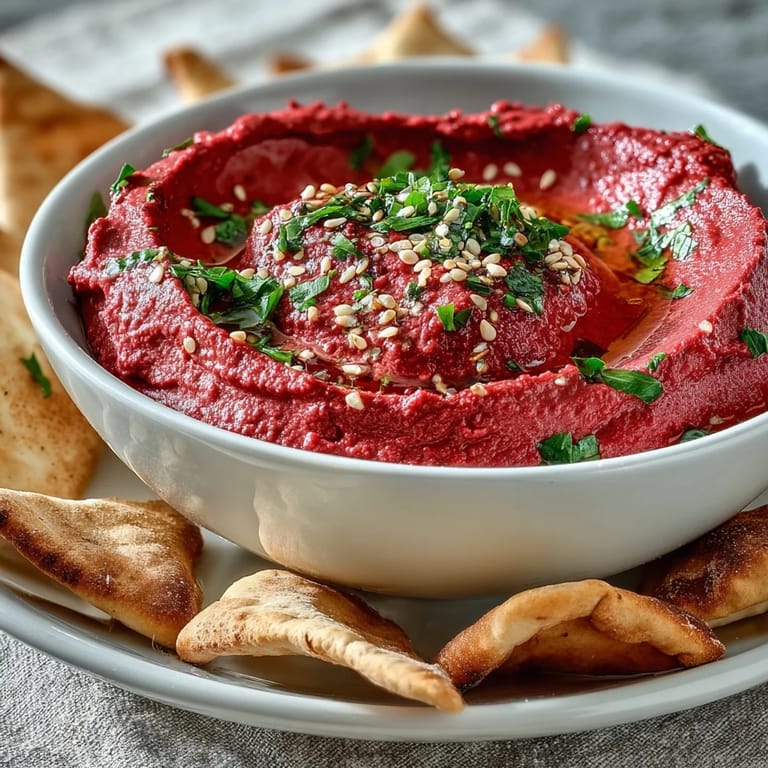
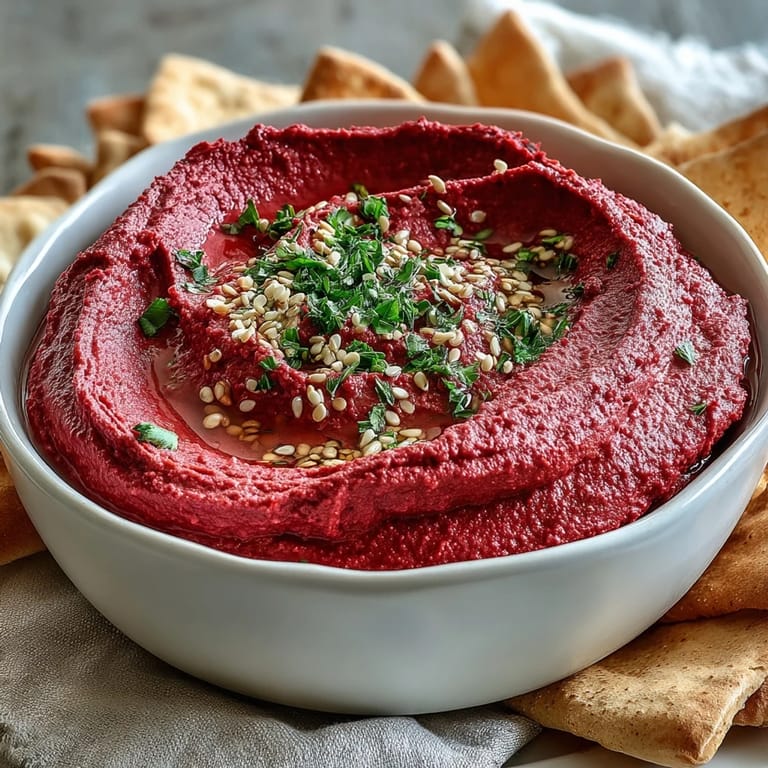
- A squeeze more lemon, a pinch more salt—taste as you go because everyone's palate is different and what tastes right to you is what actually matters. Transfer to a serving bowl and drizzle the top with good olive oil, then garnish however you like: parsley, sesame seeds, a whisper of cumin.
 Pin it
 Someone once told me that hummus is one of those dishes where the quality of your ingredients shows up immediately, and I finally understood what they meant. When I switched from regular tahini to a small-batch one from a shop I trust, suddenly the hummus tasted less like a recipe and more like someone had actually thought about what went into it. That's the moment it stopped being a dip and became something I actually looked forward to making.
Why Beets Belong in Hummus
Traditional hummus is beautiful but can feel a little safe, a little predictable, especially when you've eaten it a hundred times before. Beets break that pattern by bringing sweetness and earthiness at the same time, plus that almost impossible color that makes people lean forward with curiosity. The roasting process deepens everything that's good about a beet—the natural sugars concentrate, the fiber softens, and what you end up blending is almost a paste of concentrated vegetable goodness, which then gets tempered by the tahini and lemon into something balanced and complex.
How to Serve It (And When to Make It)
This hummus lives best as part of a spread—set it in the middle of a board with warm pita, sliced vegetables, maybe some olives and cheese if you're not keeping it vegan. The deep pink color makes it a natural centerpiece, and it holds up for hours at room temperature without separating, so it's actually one of the easiest things to bring to a gathering. Cold or room temperature, it stays creamy and interesting, tasting slightly different each time you taste it as flavors continue to mellow and blend together.
Storing and Making It Ahead
I keep this in a glass container on the third shelf of my fridge, where it stays perfect for up to four days and actually tastes better on day two or three once everything has had time to get to know each other. You can make it the night before a party and just give it a stir in the morning, maybe add a fresh drizzle of olive oil to make it look just-made. If you notice the top has dried out slightly, just stir it back in or cover it with a little fresh oil; the hummus itself won't go bad, it just needs to stay hydrated.
- Transfer to an airtight container and press plastic wrap directly onto the surface to prevent browning.
- Make a double batch and freeze half in ice cube trays for quick portions that thaw in an hour.
- If it gets too thick in storage, stir in a tablespoon of cold water or squeeze of fresh lemon to bring it back to life.
 Pin it
 This hummus became a regular thing in my kitchen because it's easy enough to make on a Tuesday and good enough to serve at a dinner party. There's something satisfying about turning two simple vegetables and a few pantry staples into something that tastes like you spent hours thinking about it.
Recipe FAQs
- → What does roasted beet hummus taste like?
Roasted beet hummus has a naturally sweet, earthy flavor with creamy tanginess from tahini and brightness from lemon. The roasting process intensifies the beet's natural sugars while mellowing any bitterness.
- → How long does roasted beet hummus last?
Stored in an airtight container in the refrigerator, roasted beet hummus stays fresh for up to 4 days. The vibrant color may deepen slightly over time but remains perfectly delicious.
- → Can I use canned beets instead of fresh?
While canned beets work in a pinch, fresh roasted beets provide superior flavor and texture. Roasting concentrates the natural sweetness and creates a smoother consistency in the final dip.
- → What should I serve with roasted beet hummus?
This versatile spread pairs beautifully with warm pita triangles, crisp vegetables like carrots and cucumbers, or crusty bread. It also makes an excellent sandwich spread or bagel topping.
- → Is roasted beet hummus healthy?
Yes, this hummus is packed with nutrients from beets, chickpeas, and heart-healthy olive oil. It provides fiber, protein, and essential vitamins while being naturally vegan and gluten-free.